
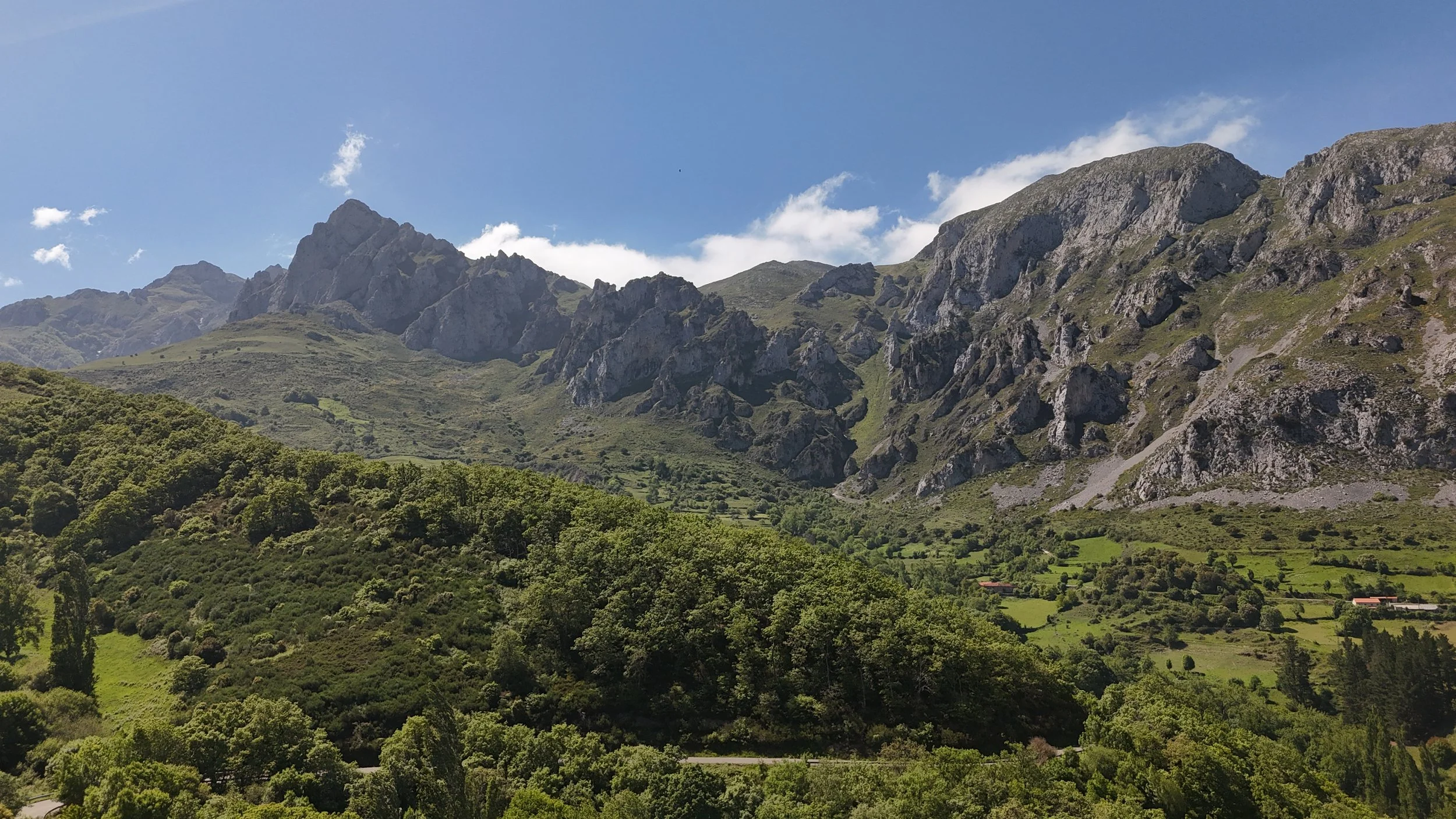
Opportunity Assessment
Before committing to a property, restoration, or rural project, it helps to understand the place in full.
The Opportunity Assessment is Sierra Hermosa’s focused first engagement: a structured review of a property, landscape, or emerging idea in Northern Spain.
We examine the questions that shape long-term potential—from terrain, access, water and ecological character to existing structures, planning pathways, restoration possibilities and fit with the life you imagine.
The result is not a sales recommendation. It is a clear, landscape-led basis for deciding what deserves further investment, investigation or design.
When an Assessment Is Useful
-
You want an early, independent view of the place before making a financial or emotional commitment.
-
You need to understand the property’s constraints, restoration potential and most sensible next investigations.
-
You want a consistent landscape-led framework for comparing options that may look very different on paper.
-
You need an early view of how buildings, terrain, access, ecology and stewardship might work together.
-
You want to define the right questions and sequence before committing to a larger design or development engagement.
What We Examine
A focused review considers the property in context—not only the building. We look at landscape and terrain; access, orientation and infrastructure; existing structures and restoration potential; planning and due-diligence questions; and the fit between the place and your long-term ambitions.
-
We consider orientation, slopes, water, vegetation, exposure and the property’s relationship to the wider landscape.
-
We review practical access, roads, utilities and the infrastructure questions that may shape feasibility.
-
We examine existing structures, spatial character and the questions that influence a sensitive restoration pathway.
-
We identify planning, survey, legal and technical questions that should be resolved by the appropriate local professionals.
What You Receive
You receive a concise written assessment with the principal opportunities and constraints, priority questions and possible red flags, recommended next investigations, and a clear view of potential pathways. We conclude with a review conversation so that the findings can support a real decision.
A Deliberately Focused First Step
This is a scoped advisory engagement, not a technical survey, valuation or legal guarantee. Its purpose is to bring an independent, landscape-led perspective to the earliest and most consequential decisions. Scope, fee and schedule are agreed in writing before work begins.
-
No. The assessment can help clarify a region, brief or shortlist before you commit to a specific property.
-
No. It is an early strategic assessment that identifies opportunities, risks and the questions that qualified local specialists should investigate.
-
Yes. A comparative scope can apply the same landscape-led criteria to a shortlist, making trade-offs easier to see.
-
A location or listing, available plans and photographs, relevant documents, your priorities, timing and the decision you are trying to make.
-
We review the findings together and define sensible next actions. There is no obligation to continue into a larger engagement.
-
We confirm them in writing before work begins, based on the property, available information, travel requirements and any specialist coordination needed.
The Assessment Path
Step One
Initial Conversation
We clarify your aims, the property or region under consideration, the stage you have reached and the decision the assessment needs to inform.
Step Two
Information Review
We review the available listing, plans, photographs, location information and relevant documents, identifying gaps that may require specialist input.
Step Three
Landscape-Led Assessment
We consider the property, buildings and wider landscape together—surfacing meaningful opportunities, constraints and questions before commitment.
Step Four
Findings and Next Steps
We present the assessment, discuss priorities and define the next sensible actions, whether that means further due diligence, comparison, design work—or choosing not to proceed.